
Our latest blog post highlights the work of the Ocean Country Partnership Programme (OCPP) which concluded in March 2026. This multi-year programme delivered science exchange, capacity building, and development expertise to Official Development Assistance (ODA) eligible countries to address environmental challenges across marine pollution and emergency response, marine biodiversity, and sustainable seafood. This programme was funded with UK International Development from the UK Government.
Since 2022, JNCC has partnered with the Marine Management Organisation (MMO), the Centre for Environment, Fisheries and Aquaculture Science (Cefas) and in-country partners, to deliver an ambitious programme of marine science and conservation across the world. JNCC led the marine biodiversity work stream and co-led the emergency response work stream and focused delivery on tailoring solutions to the environmental challenges impacting communities most. Intertwining collective and local knowledge and resource sharing with the social, cultural, and economic realities that countries face in the modern day.
Our work drew on six key themes: mainstreaming biodiversity, policy integration, capacity building, stakeholder engagement, resource leveraging, and scalable potential. This blog explores how international partnerships have created opportunities for stronger, more resilient marine conservation outcomes, alongside sustainable economic development and safeguarding local community health and wellbeing.
Through the Ocean Country Partnership Programme (OCPP), JNCC has been able to mainstream biodiversity into decision‑making by embedding ecological considerations across policy and management development processes. This has included producing MPA management best practice guidance for Sri Lanka and the Maldives, developing data management systems in Vanuatu and Senegal that ensure biodiversity evidence is available to inform impact assessments and licensing decisions, and creating gender responsive tools to inform MPA policy development in Maldives and Mozambique. At the same time, these partnerships have supported transition towards sustainable blue economies by co-developing offshore MPA implementation roadmaps in Ghana and Senegal, contributing to long-term national frameworks such as the Maldives 30 by 30 roadmap, and supporting nature positive development initiatives like the Madagascar seagrass protocol. Together, these efforts have integrated nature, equity, and economic resilience, helping build conservation-led economies that are both environmentally and socially sustainable.
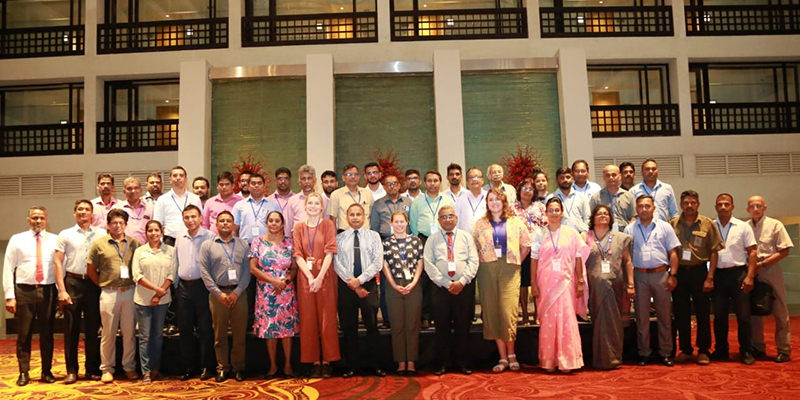
Image 1: MPA Best Practice Training Workshop delivered for Department of Wildlife Conservation staff and others in Sri Lanka (Photograph © OCPP).
Through JNCC’s work, the programme has also addressed critical evidence gaps and integrated data into policies for nature recovery. Protected Area Management Effectiveness (PAME) assessment training in the Maldives and Sri Lanka alongside targeted MPA network analysis and data monitoring frameworks in Belize, have improved evidence bases for protected area governance. Complementary efforts such as building capacity in post-spill monitoring, developing oiled-wildlife response plans, establishing strandings response and necropsy networks, and improving species legislation in Madagascar have all provided governments with the data, protocols, and legal mechanisms needed to protect vulnerable species and ecosystems. We have also supported the updating of national disaster response and regional oil and chemical spill contingency plans in the Pacific, South Asia, and the Western Indian Ocean, working with partners to ensure that environmental risks are understood, modelled, and integrated into emergency decision‑making. This work has all strengthened the scientific and policy foundations required for countries to make informed decisions, and advance long‑term, evidence‑based pathways for nature recovery.
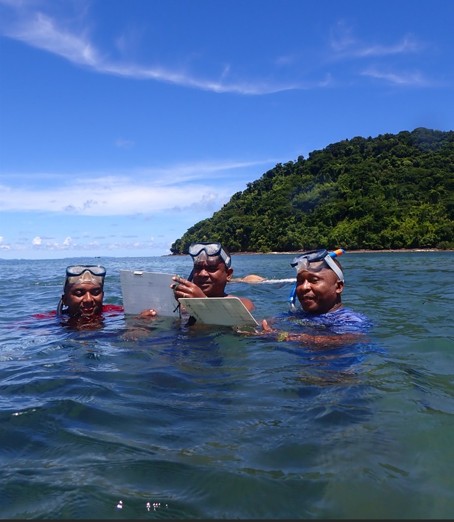
Image 2: Nosy Sakatia Seagrass Practical, Madagascar (Photograph © OCPP).
JNCC has also been able to deliver a range of capacity building activities essential for helping communities address environmental pressures and ensure longer-term sustainable livelihoods. Collaborations through the programme have included MPA short courses in Ghana and the Maldives, alongside MPA implementation cycle trainings across Sri Lanka, the Maldives, Madagascar and Senegal, equipping practitioners with the skills needed to manage climate‑resilient marine areas effectively. Technical upskilling has also been advanced through QGIS tutorials in Mozambique and RScript in Belize, and through specialist sessions such as Madagascar’s environmental monitoring lecture series and a seagrass monitoring protocol workshop, which strengthened long‑term climate and biodiversity data collection. In Mozambique, coastal restoration training and sustainable financing workshops have also supported partners to integrate nature‑based solutions with climate resilience and economic planning. Our capacity-building activities have innovated learning, strengthened local expertise, and helped countries align nature and climate actions while building the capacity needed to protect ecosystems from within the local communities.
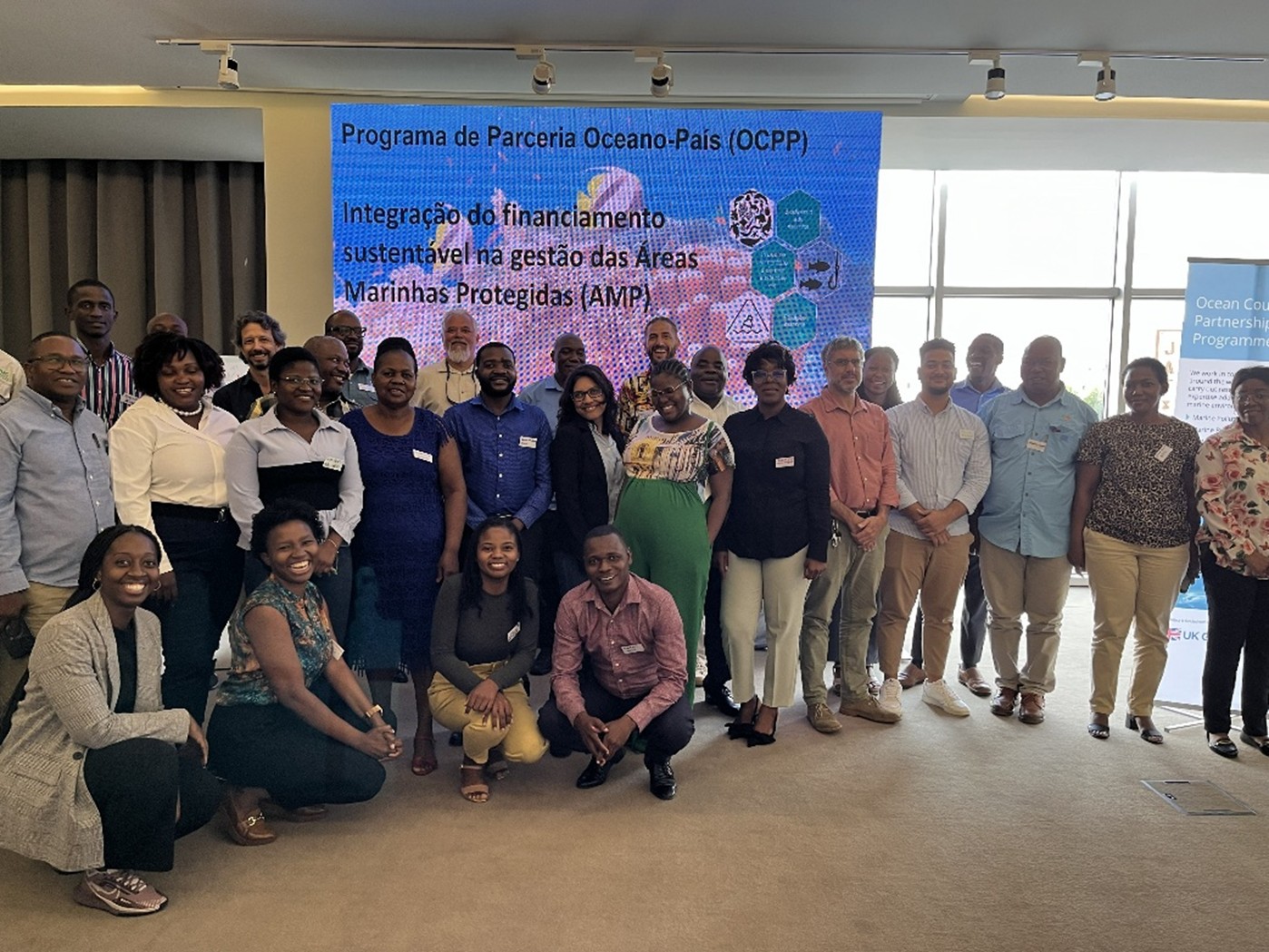
Image 3: Integrating sustainable financing into MPA management planning workshop, Mozambique (photograph © OCPP).
The programme’s international scope has allowed convening of governments, NGOs and community networks to optimise the social, economic, and environmental outcomes delivered from nature‑positive solutions. Hosting symposiums and exercises supporting the development of regional emergency response contingency plans across the Western Indian Ocean, South Asia region and the Pacific have fostered large-scale joint preparedness for environmental emergencies that threaten both ecosystems and livelihoods. Supporting stakeholder consultation events, such as Mozambique’s MPA strategy consultations and Senegal’s MPA framework development, have ensured that nature recovery plans reflect local priorities and community insights. And focused events such as the PCA Forums in the Maldives and facilitation of IUCN Green Listing in Belize have created platforms for shared learning and coordinated action. JNCC has also been able to support partners to attend large-scale international conferences such as UNOC and COP and to participate in regional knowledge exchanges through the WIOMPAN network and WIO LMMA Alliance. These convening activities have helped knowledge sharing across national, regional and international scales and strengthened alignment around collective goals and cooperative solutions to support transitions to sustainable blue economies.
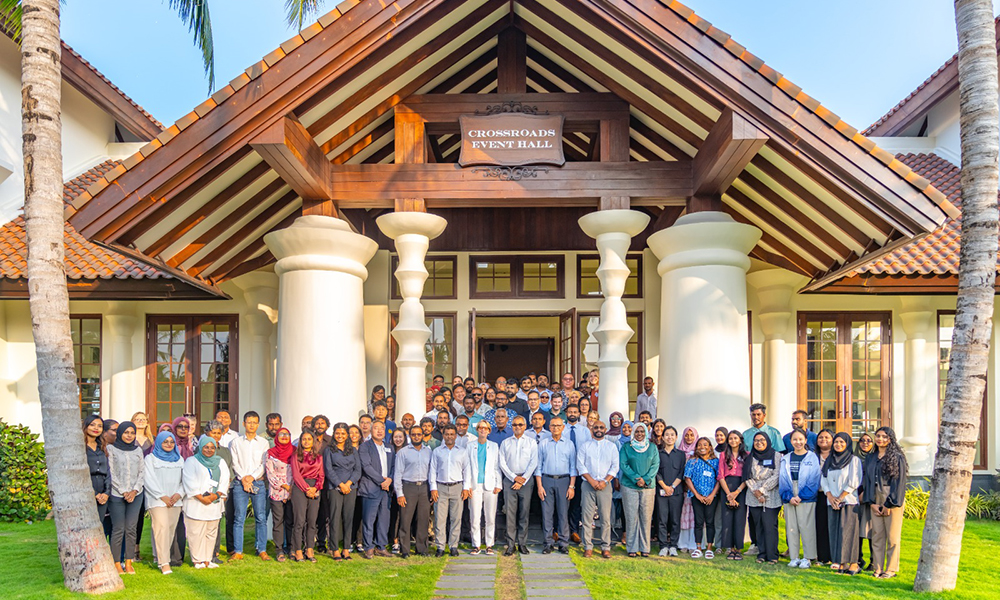
Image 4: Protected and Conserved Areas (PCA) Forum attendees in the Maldives (photograph © OCPP).
Through collaboration, the programme has been able to leverage specialist expertise and shared resources, enabling countries to access cost‑effective evidence and targeted advice that strengthens decision‑making and supports diverse national priorities. Collaborative research, such as the seagrass and habitat mapping in partnership with Northumbria University in Sri Lanka, has generated high‑quality ecological data that has informed national management plans. Additional guidance has supported countries to secure and structure sustainable finance for marine spatial planning, including in Senegal through Finance Earth, and in Western Indian Ocean region to develop the LMMA Alliance’s Trust Fund and Investment Strategy. Alongside this, workshops designed to identify future funding, working with partners such as FCDO, UNEP, UNDP and IUCN, have opened pathways for sustainable financing that underpin long-term nature recovery and blue-green economic transitions. Across the programme conservation efforts have maximised value for money, expanded access to evidence and expertise, and equipped governments with practical, financially viable routes to deliver multiple environmental and socio‑economic outcomes.
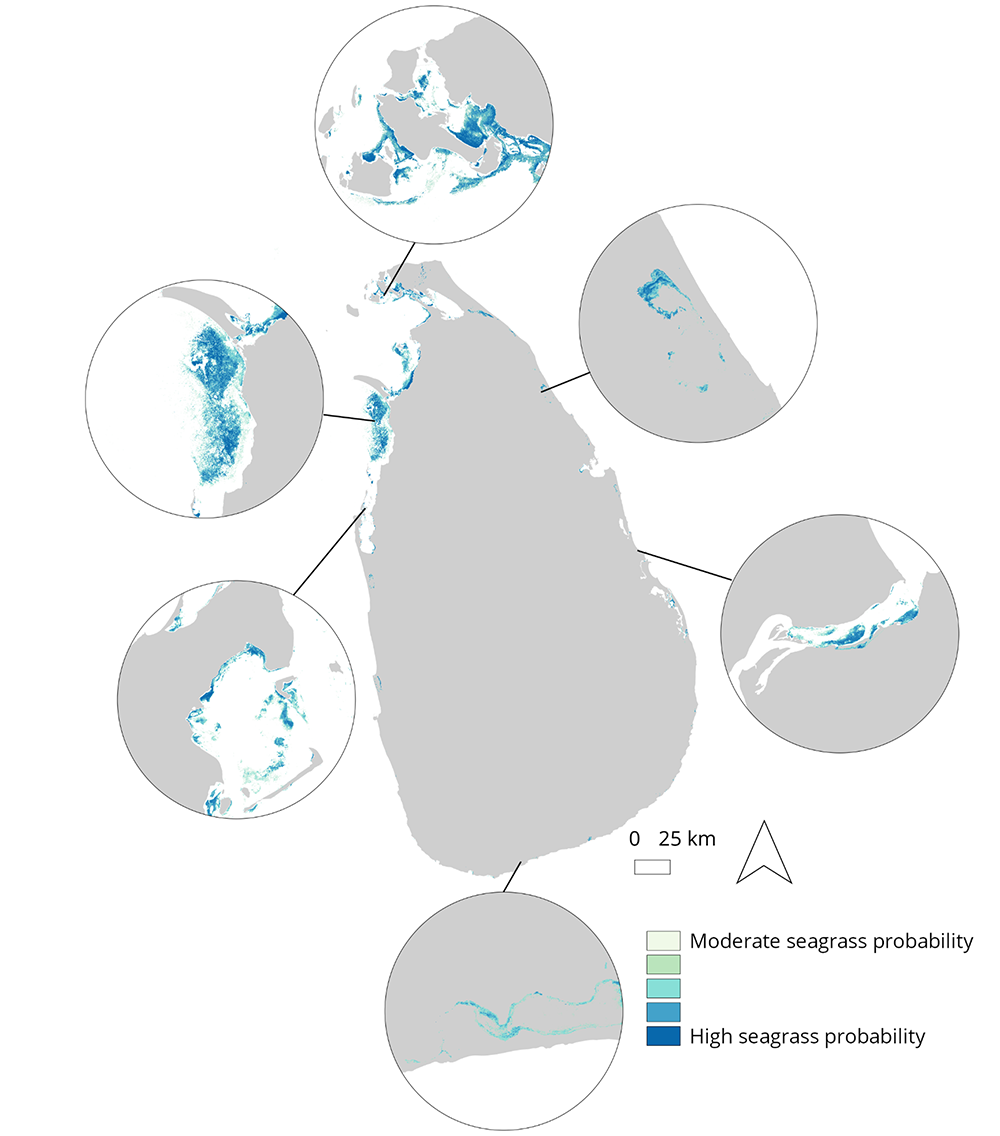
Image 5: National scale seagrass presence and absence map developed for Sri Lanka
Co designing practical solutions with partner countries has helped to embed robust, scalable approaches to marine management. Work from the programme has included developing national data‑management systems, such as the Vanuatu data system and app, and the Senegal data‑management platform, which provide consistent, transferable models for evidence collection and reporting. Equipment audits under emergency response programmes in the Maldives and Sri Lanka have generated clear recommendations that strengthen preparedness and can inform similar capacity assessments elsewhere. In Mozambique, the establishment of the Marine Conservation Leadership Academy is building long-term institutional capability, while Madagascar’s species-legislation updates demonstrate how locally tailored tools can inform regional best practice. Additional work on effective PAME assessment methods, applied across countries, and the development of global MECPA case studies further support partners to adopt tried‑and‑tested approaches to protected area management. These initiatives showcase how co‑developed tools and governance mechanisms can be adapted across contexts, helping countries implement durable solutions that scale well beyond their point of origin.
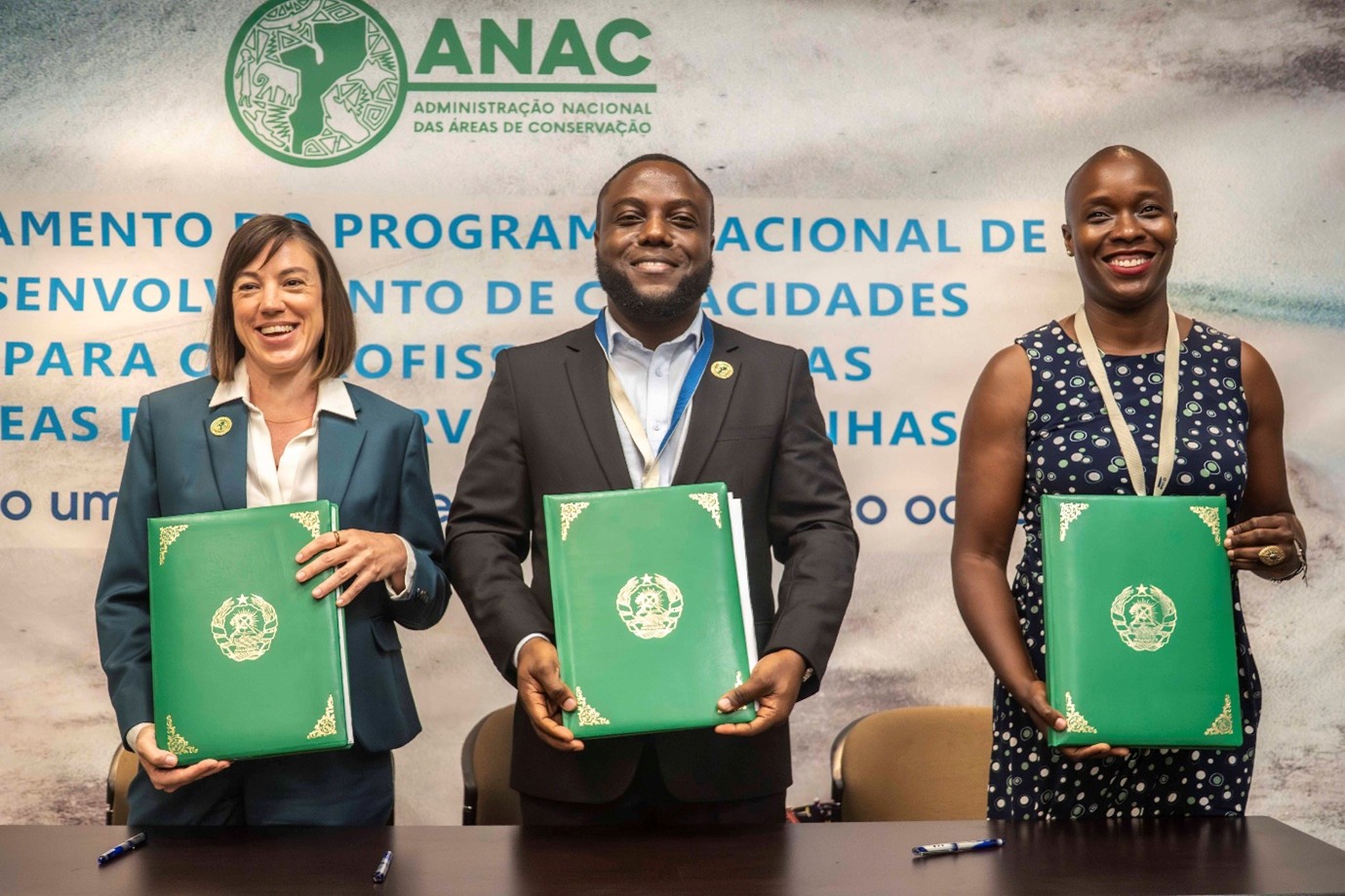
Image 6: The official launch of the Marine Conservation Leadership Academy (photograph © OCPP).
At its core, the Ocean Country Partnership Programme delivered lasting positive impacts for marine conservation and science, but the programme’s additional successes are demonstrated best by the quality and range of outcomes described in this blog. Through the course of OCPP, JNCC has partnered with over 180 organisations delivered 125 workshops and training events to over 2,500 stakeholders. The programme showed what is possible through international collaboration when knowledge sharing and environmental impact are put front and centre.
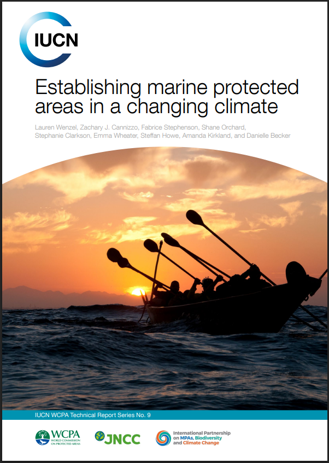
Image 7: Front cover of the 'Establishing MPAs in a Change Climate' publication.
With this in mind, JNCC is committed to continuing the programme’s legacy through future work programmes and opportunities. This includes a forth-coming webinar (9 June 2026) hosted by OCTO alongside UNEP-WCMC focusing on updates to the Global Database of Protected Area Management Effectiveness (GD-PAME) which OCPP supported the Maldives and Sri Lanka to update
The International Partnership on MPAs, Biodiversity and Climate Change – an alliance of government agencies, experts and practitioners working together to understand how marine protected areas and biodiversity – can help address the accelerating impacts of climate change, and how evidence can be turned into practical action.
The International Partnership sits under the MPA Agency Partnership and, last year, published its technical guidance Establishing MPAs in a Changing Climate in collaboration with the IUCN WCPA Climate Change Specialist Group. This guidance supports countries, communities and partners to plan, design and implement climate-smart MPAs and MPA networks, and includes six global case studies demonstrating how science can be translated into real-world applications.
Looking ahead to 2026/27, the Partnership has set out an ambitious programme of work focused on capacity building, developing evidence and tools to integrate climate data into MPAs and marine spatial planning, and exploring emerging areas such as using the Partnership as a forum for technical peer review. It is also considering how climate considerations may be applied in the high seas under the Biodiversity Beyond National Jurisdiction (BBNJ) Treaty. Countries engaged through OCPP have been invited to participate, and we hope to continue collaborating with them through this Partnership. Further information on how to join the Partnership can be found on the International Partnership on MPAs, Biodiversity and Climate Change website.
Published: