
The Republic of Vanuatu is an island nation located in the South Pacific Ocean. The archipelago is located approximately 1,750 km east of Australia, 500 km north-east of New Caledonia, west of Fiji and south of the Solomon Islands. Comprising around 80 islands, Vanuatu hosts a rich assortment of flora and fauna across a broad variety of habitats, from lush rainforests to pristine coral reefs. The biodiversity of Vanuatu is characterised by high levels of endemism (species found nowhere else on Earth). There is also considerable variation in the distribution of species within and between islands, making Vanuatu's biodiversity of particular interest due to its on-going processes of immigration, range extension and contraction, and subspeciation.
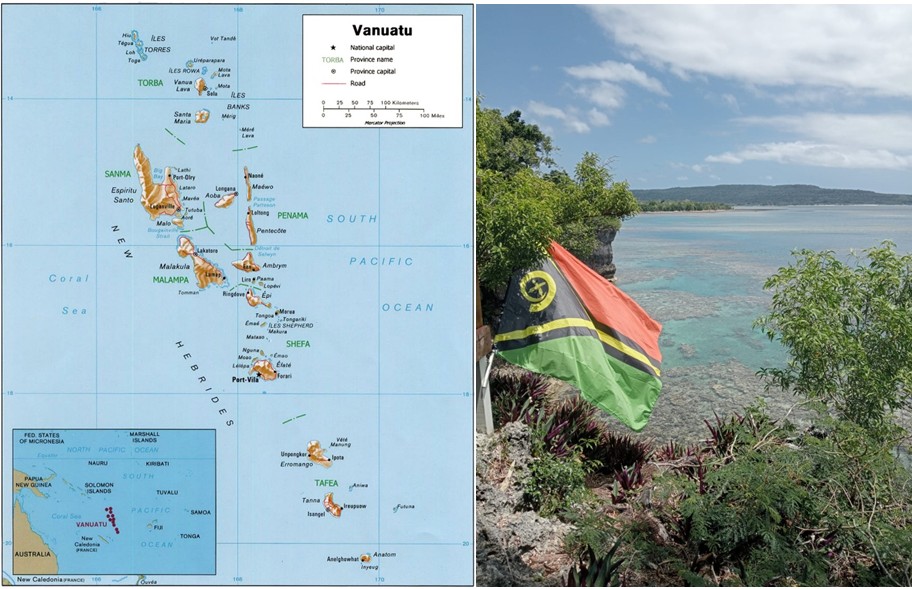
Left: Map of Vanuatu (source: www.orangesmile.com), Right: Flag of Vanuatu with coral reef in background (© C. Wood).
Key threats to Vanuatu’s biodiversity include overexploitation of natural resources, destruction of habitats, and the introduction of invasive species. In Vanuatu, the Department of Environmental Protection and Conservation (DEPC) through the Ministry of Climate Change plays a key role in the management, protection and conservation of Vanuatu’s natural environment. The DEPC is responsible for: assessing the environmental impact of proposed developments; working with communities to establish Community Conservation Areas; working with researchers to learn more about our unique environment; protecting internationally endangered species; controlling ozone depleting substances; and working with municipal and provincial governments to manage waste and pollution.
Introduction
The Ocean Country Partnership Programme (OCPP) in Vanuatu was delivered under the UK Government's Blue Planet Fund, which aims to support developing countries in managing their marine environments sustainably. This was accomplished through mechanisms that also serve to enhance livelihoods and reduce poverty through technical assistance, capacity building, and policy support. The OCPP partnered with the Government of Vanuatu via the DEPC to explore opportunities to support effective management of their natural environment and provide demand-led technical assistance to:
- Develop and implement a nationally hosted Data Management System to enable effective storage and use of data across all divisions within the DEPC.
- Increase capacity within DEPC through development and delivery of materials and training in data management best practice.
- Facilitate the continued development of a ranger toolkit and data collection application to provide Community Conservation Area (CCA) rangers across Vanuatu with standardised protocols and data collection pathways, and training on survey methods to ensure the CCA monitoring data collected are robust and reliable for use in DEPC reporting requirements.
- Organise the development and delivery of infographic and video creation training for DEPC and wider government departments, to provide support in communicating evidence and legislation to communities.
OCPP would like to take the opportunity to thank all in-country partners for their continued partnership and contributions to OCPP’s work packages.
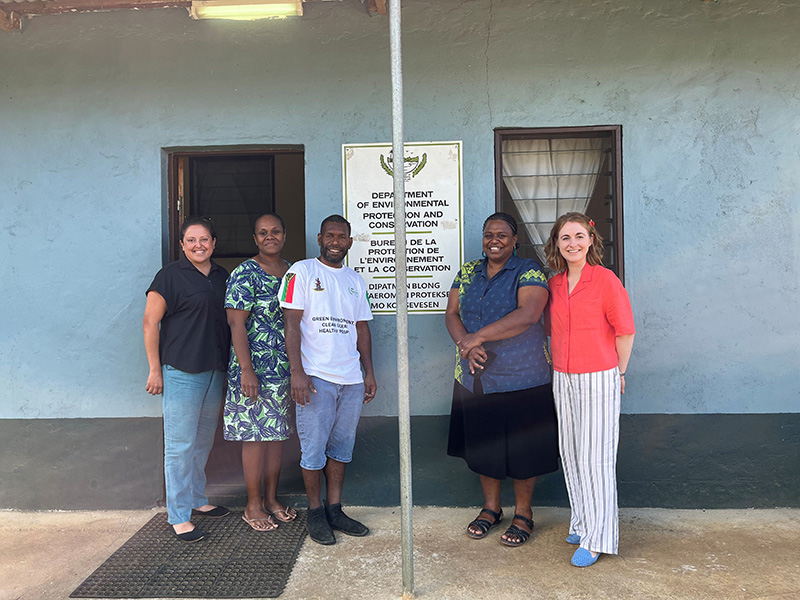
OCPP team from JNCC with colleagues from DEPC in Vanuatu (© OCPP).
Data Management System
Ineffective data management can limit the use of data, as users may not know a dataset exists or may not be able to find the results of a useful research project. This can lead to lower productivity, unnecessary additional work or duplication of effort. Therefore, it is important to have a process and structures in place to ensure high quality data are produced and made accessible, to support robust, evidence-based decision-making in environmental conservation and management.
Between 2023 and 2026 OCPP worked with the DEPC and in-country developers, Engineering Business Services (EBS) to develop a data management system for use across all divisions within the Department. Through this partnership the following objectives were achieved:
- Development of a user friendly, easily manageable, data management, entry and dissemination system for use across DEPC divisions. *As of January 2026, the data management system is live and is in use across all division of the DEPC.* (See below)
- Development of an ongoing maintenance plan, including training and commitment from parties involved (DEPC, the Department of Communication and Digital Transformation (DCDT), and EBS) to perform maintenance on the system as needed to ensure sustainability of use.
- Delivery of guidance materials and training on data management protocols, including collection, input, cataloguing, storage, and use, to foster a stable data management culture in the department, supporting the continued implementation of the data system into the future (see Training: Introduction to data management best practice section below).
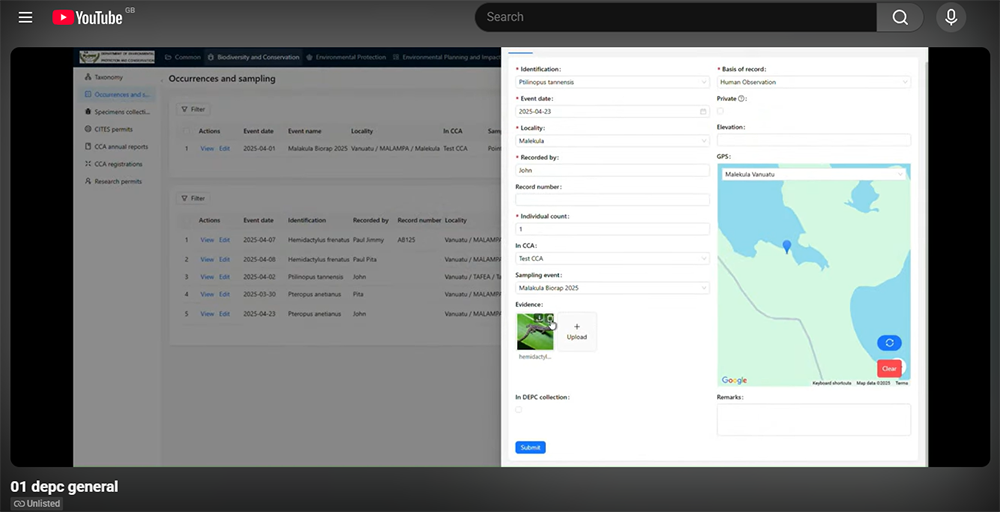
Screenshot of data entry page in data management system (© OCPP).
The data system was built using open source Nocobase software and is hosted on the Vanuatu Government network. The system successfully meets the priority requirements stated by DEPC, including an interactive map interface to display data of different types (for example, biodiversity monitoring data, waste disposal site locations, EIA development zones), biodiversity monitoring data repository using standardised taxonomy lists and metadata templates, and public-facing forms triggering internal workflows for waste licencing and EIA processes.
EBS performed several iterations of user training and testing for all DEPC staff, adapting the design according to feedback. The fully functional data system was launched in January 2026 alongside comprehensive training manuals and video tutorials to support sustainable use and upkeep of the system. OCPP’s implementation of this data system ensures DEPC have the information required to make evidence-based management decisions to better protect and conserve Vanuatu’s natural resources.
Training: Introduction to data management best practice
In collaboration with colleagues from JNCC’s Marine Evidence team, OCPP developed training materials to support the implementation of the data management system and delivered an in-person workshop and accompanying handbook to give participants from DEPC an overview of data management principles, and best practice guidance for establishing an effective data management process. The training followed all stages of the data life cycle, from planning to storage/publishing, to highlight key points to take into consideration to promote good data practice, and was broken down into 2 main sections:
- Key data concepts: Clarifying data terminology and key considerations in data management.
- The Data Life Cycle: Step by step guidance on data management, from planning phase to reflecting on lessons learnt.
The training provided a best practice checklist, standard templates to adapt as needed for data collection, and additional resources and guidance materials for further learning beyond the training course.
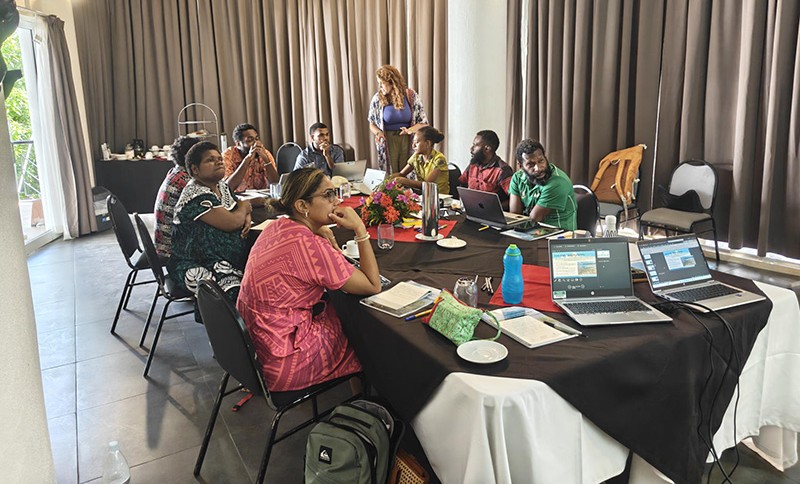
Participants at the Introduction to data management best practice workshop held in Port Vila, May 2025 (© OCPP).
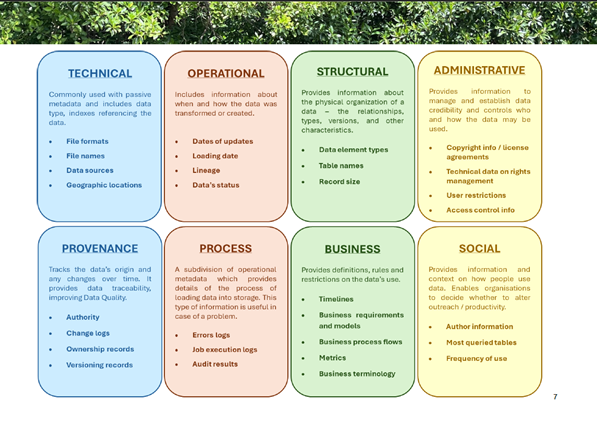
Example of types of metadata; image taken from Introduction to Data Management Best Practice User Handbook (© OCPP).
CCA Ranger Toolkit and App
‘The concepts of sustainable use and biodiversity conservation are often inherent in the culture and customary livelihoods of Ni-Vanuatu people. Local practices which directly or indirectly enhance biodiversity conservation have been used in Vanuatu for millennia. Examples of traditional activities that have conservation benefits include seasonal bans on the harvest of certain flora and fauna, closures over sacred sites, or taboos on harvest of some areas or objects. While not all traditional practices protect or sustain biodiversity or natural resources, a general conservation ethic was and continues to be enshrined within the diversity of Vanuatu’s customary laws.’ … ‘Community Conservation Areas (CCAs) have garnered strong interest among Ni-Vanuatu villages. It is estimated that the total number of informal CCAs is over 250 across the archipelago.’ (source). This interest has led to growing networks of CCAs across Vanuatu, such as the Nguna-Pele MPA Network (2003) and the Crab Bay MPA Network (2004).
A key remit of the DEPC is to support the registration and monitoring of CCA initiatives at a national level. Between 2024 and 2026 OCPP partnered with Live and Learn Vanuatu to support the continued development and expansion of a CCA ranger toolkit and monitoring app to collect and collate data from community rangers. The toolkit and app facilitate the collection of data to support the establishment of CCAs in Vanuatu, contributing to Vanuatu’s CBD “30 by 30” commitment, and enhance the information available to ensure effective and adaptive management of these protected areas. The focus of the toolkit and app is to encourage community ownership of the protected area, enhancing the community connection to the ecosystems of their local area and raising awareness of the protection measures, promoting sustainable resource use to support coastal community livelihoods.
Through collaboration with EBS and their work on the data management system, the data collected by CCA rangers via the app feeds directly into the DEPC data management system to create a seamless data flow, ensuring this information is easily accessible. DEPC are able to use these data to create evidence products to enhance protection, support communities, and justify conservation decisions with evidence.
Through this partnership the following objectives were achieved:
- Expansion of the functionality of the pilot CCA ranger toolkit and app, including the production of standardised species lists for each of the 10 pilot CCAs and comprehensive species identification guides, and development of simple monitoring protocols and instructions for rangers.
- Enhanced accessibility of the toolkit and app, ensuring the interface is simple to use and that toolkit guidance documents are produced in Bislama.
- Community testing and training initiatives across Vanuatu, promoting the use of the toolkit and app.
- Provision of support to CCA rangers using the toolkit and app, gathering user feedback to evaluate effectiveness, and integrating changes to the toolkit and app as necessary.
- A direct data flow from the app to the DEPC data management system by working closely with EBS.
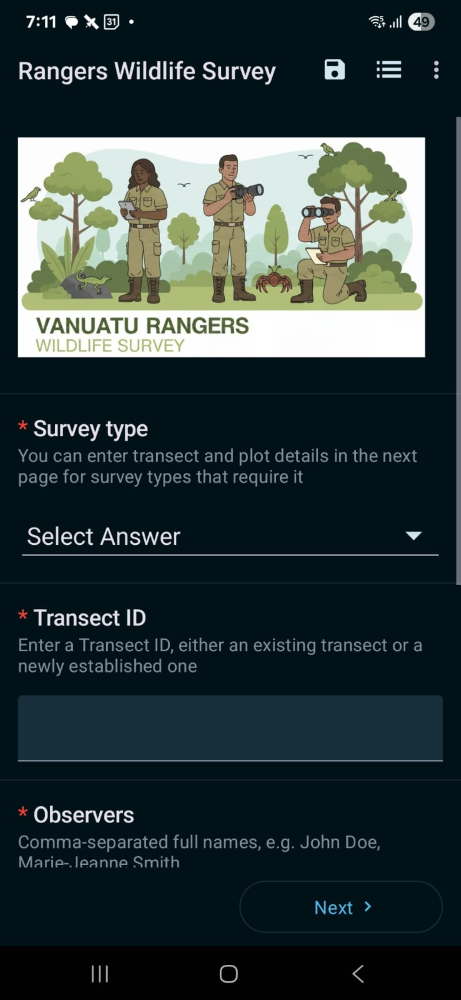
Screenshot of data entry form in CCA ranger app (© OCPP).
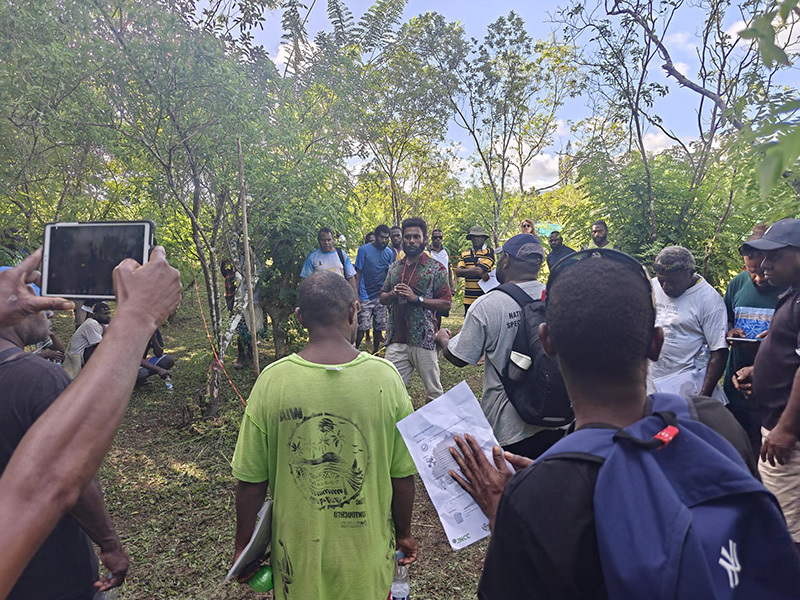
CCA ranger toolkit plant identification training session held at botanic gardens, Port Vila, May 2025 (© C. Wood)
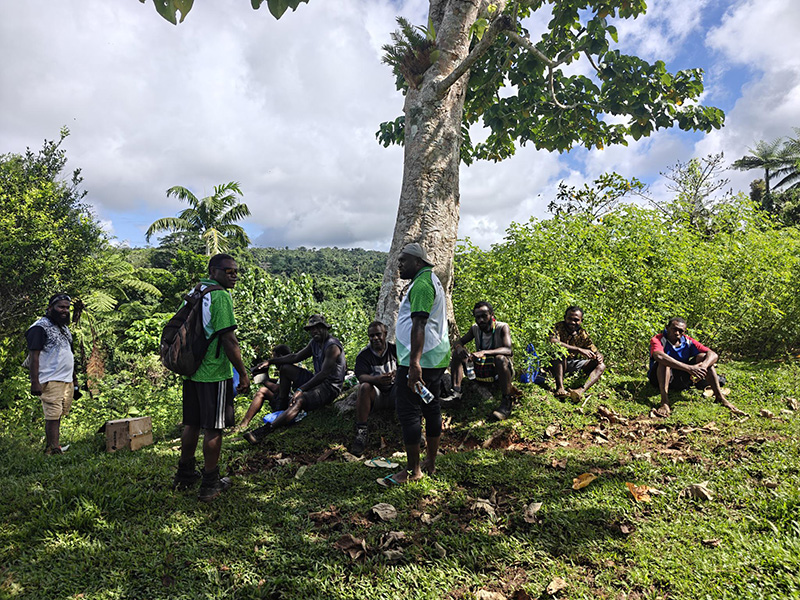
CCA Ranger field training session, Epau village, May 2025 (© C. Wood).
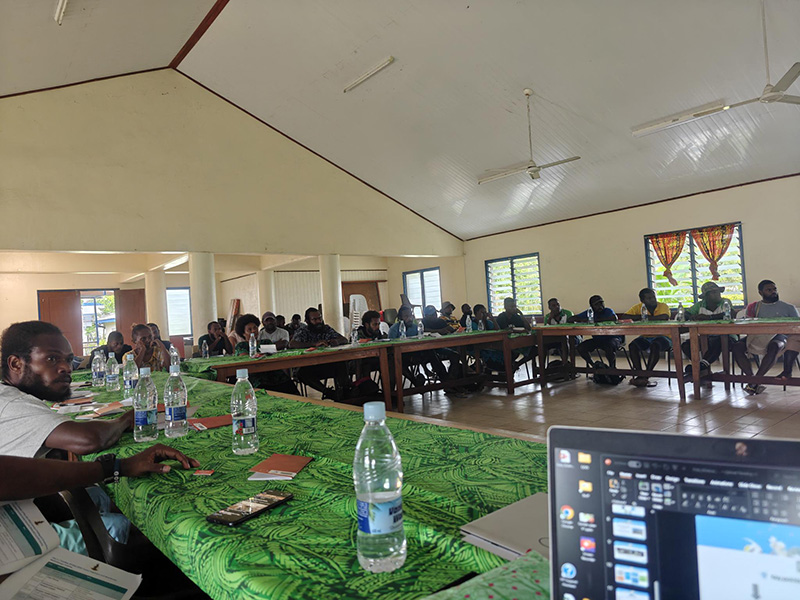
CCA ranger class room sessions, Port Vila, May 2025 (© C. Wood).
Communications training for awareness and outreach
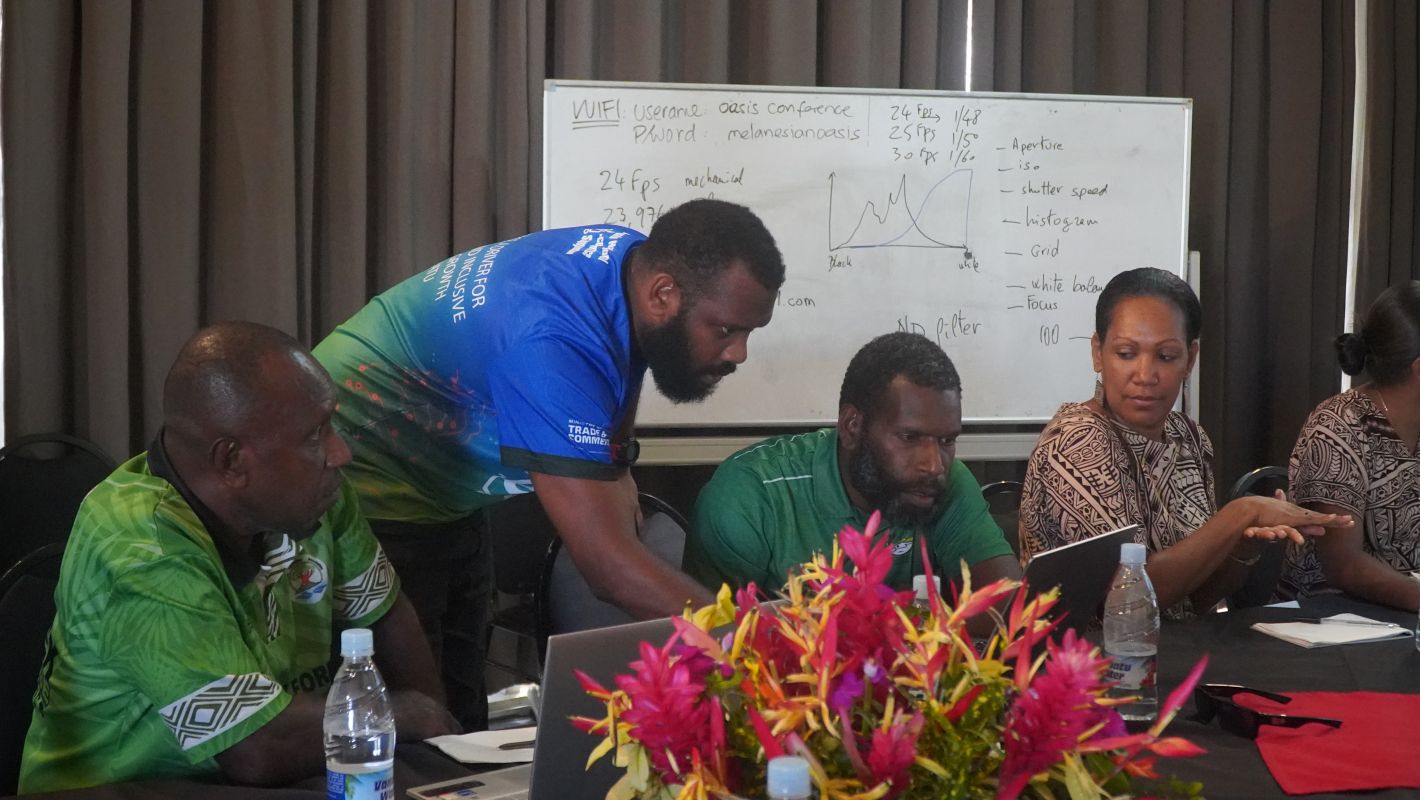
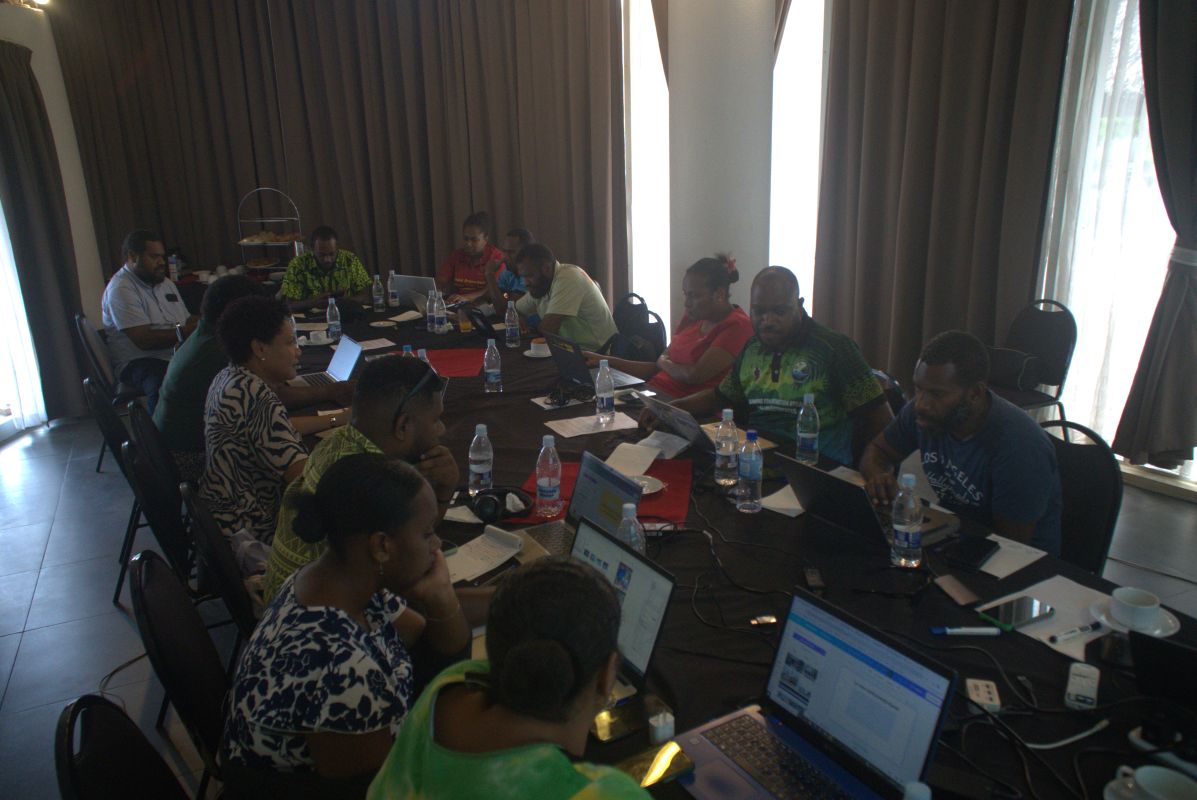
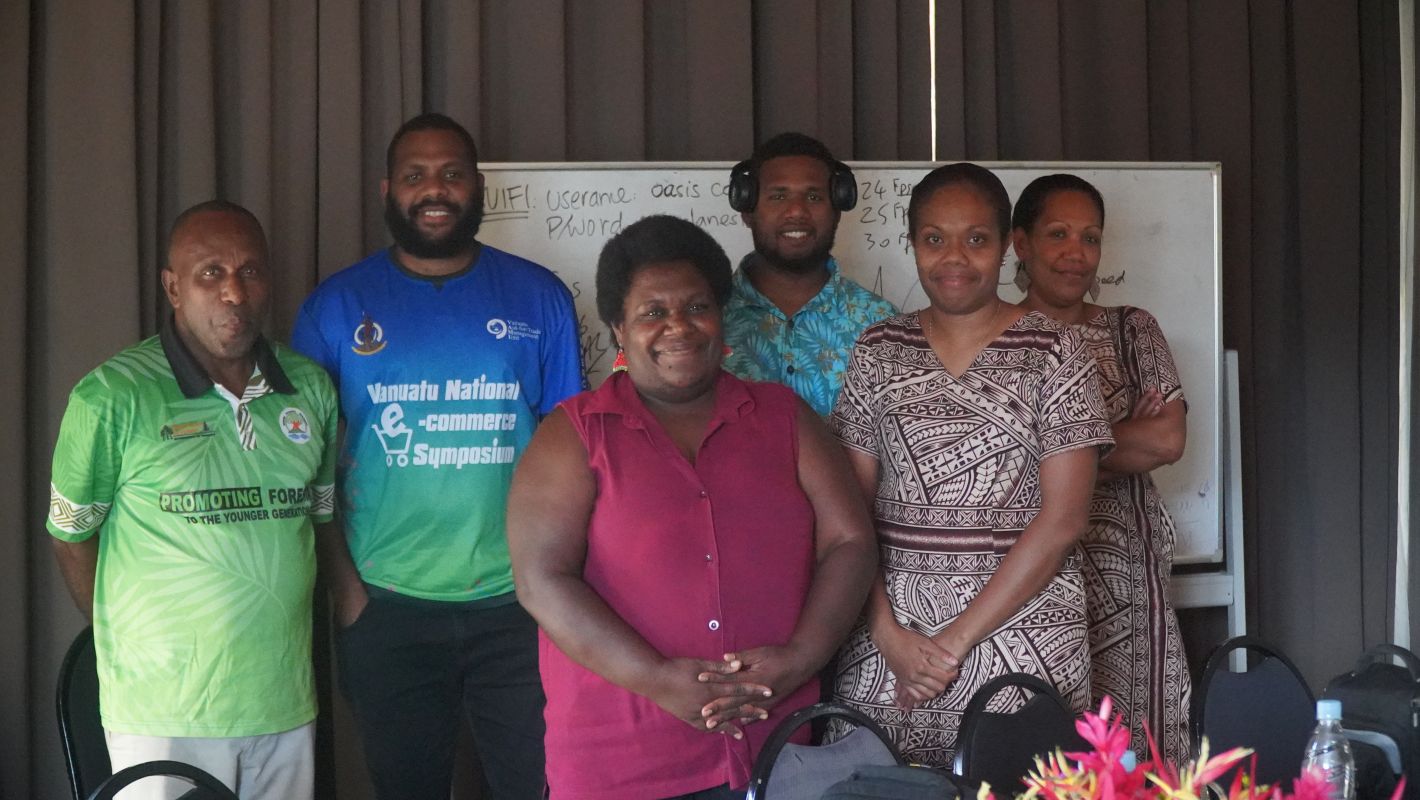
A key remit of the DEPC is to effectively communicate environmental issues to communities and stakeholders across Vanuatu. In 2024, OCPP collaborated with Fusion Productions Ltd to provide training to members of the DEPC, wider government departments and national stakeholders such as the Vanuatu Broadcasting and Television Corporation, on the development of outreach materials designed to raise awareness of environmental issues and provide relevant information to the public and local industries.
The training was split into 2 key areas:
- To provide training and support in the development of infographics that can be used to educate communities and spread awareness of environmental issues across Vanuatu.
- Provide training and support in the development, production and editing of short outreach videos and awareness films for a broad range of audiences.
Categories:
Published: